
Chambers County Released Booking Photos
A booking photograph is an agency image created during the arrest and intake process. It belongs to the booking record, not to the later judgment. The image therefore establishes neither guilt nor the outcome of the case. A court may later dismiss the charge, acquit the person, enter deferred adjudication, impose a sentence, or grant another result. The disposition must be checked separately.
Texas does not guarantee that every booking photograph remains online. Public Information Act exceptions can depend on the facts and record. A focused request allows the Chambers County Sheriff’s Office to release the image or identify a lawful basis for withholding it. The request should name one booking rather than seek a broad photo dump.
Release and photo evidence also answer different questions. A booking image shows how the agency recorded the person at intake. A CCSO release or movement record shows when custody ended and whether the event was community release or transfer. The court file explains the legal case. Keeping those records separate avoids treating an old arrest image as a current custody claim.
Keep the booking number, image source, retrieval date, and later court disposition together. Those details help distinguish similar names and preserve the record's proper context.
Where Chambers County Mugshots Appear
Start with official sources and match the image to the correct system. CCSO handles the county booking. TDCJ handles a later state correctional record. Texas IVSS is a custody-notification service, not a photo archive. The DPS registry applies only to people with a public registration duty. News images and secondary archives may preserve arrest context, but they do not replace an agency record.
| Channel | Photo status | How to access |
|---|---|---|
| CCSO inmate search | No verified post-release promise; search is in migration | Inspect the official current interface, then use a records request |
| CCSO OCV app | Public description does not promise mugshots | Inspect the installed official app before making a claim |
| NextRequest | Best focused post-release route | Request the identified booking image in native electronic form |
| TDCJ record | May expose a state correctional image | Use only for a person received into TDCJ, not a short county stay |
| Texas IVSS | Availability varies | Use for custody and alerts; an image does not prove release |
| DPS registry | Photo appears for covered registrants | Use only when the legal registration category applies |
| News or press release | May retain the original arrest image | Read the original context and add the later disposition |
Commercial mugshot publishers and pay-to-remove services are not reliable substitutes for official material. Their data may be stale, detached from the final case outcome, or difficult to correct. No such service should be endorsed or linked.
Chambers Sheriff App Photo Limits
The official CCSO inmate search is temporarily unavailable during a system migration, and the Sheriff’s configuration notice says inmate search is also unavailable in the app during that process. Neither reviewed official layer exposed a labeled release-photo archive. A person absent from the current system may have been released, transferred, omitted by scope, or affected by the migration.
CCSO does publish an official OCV app. Its accessible store description promises public-safety news, information, tips, and interactive features, but it does not specifically promise booking photos or recent-release mugshots. Readers can inspect current app menus, yet no image feature should be claimed without seeing the live screen.
The official CCSO app page identifies the authorized mobile channel.
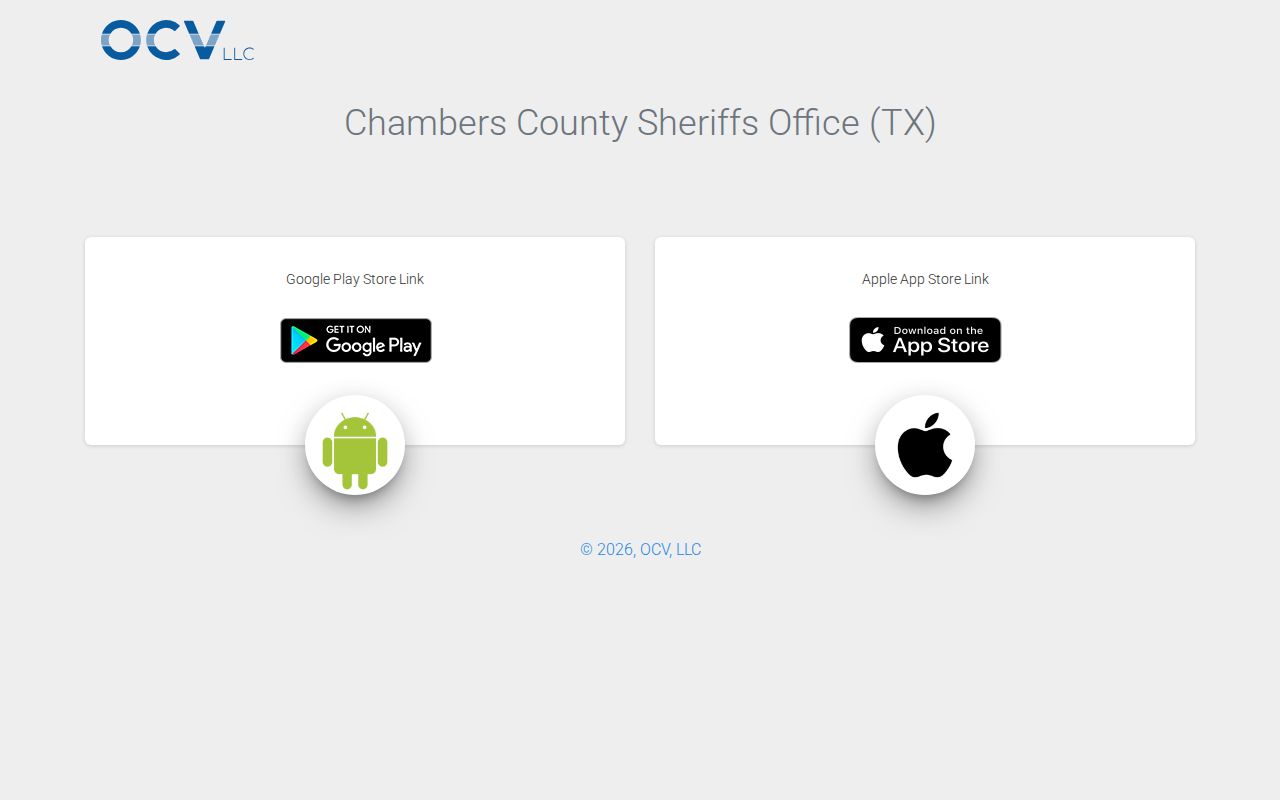
The landing screen confirms the app exists, not that it maintains a photo after release. The Chambers County 24-Hour Release List explains the same lack of a verified recent-release feed.
Note: Never reuse a current detainee’s image as evidence that the person has already been released from Chambers County custody.
Request Chambers County Booking Photos
The strongest post-release channel is a narrow request through Chambers County NextRequest. Ask for an existing booking photograph rather than requesting new analysis. Texas Government Code Chapter 552 governs access, but lawful exceptions can apply. No fixed Sheriff fee for a booking photo was found. Costs depend on the actual request and Texas cost rules.
- Identify the person with the full name and any known aliases. Add the date of birth only when needed to distinguish records.
- Provide the booking number, cause number, and approximate arrest or booking date when known.
- Ask for the releasable booking photograph tied to that booking in its native electronic format.
- If release proof is also needed, separately request the release date and time, release type, authority, and transfer destination.
- Ask the county to redact exempt matter rather than reject otherwise public portions when possible.
- If access is withheld, read the agency’s stated legal basis and use the Public Information Act process for that response.
Government Code §552.221 addresses prompt production or access. Section 552.222 permits clarification in appropriate cases, §552.2615 addresses itemized estimates in covered matters, and §552.301 sets procedures for an Attorney General decision when an agency seeks to withhold information. These provisions do not promise that every photograph will be released.
The broader Chambers County release record process helps connect the image to the completed custody event. Ask for the code legend if the movement record uses abbreviations.
The official request portal provides the county’s durable records route.
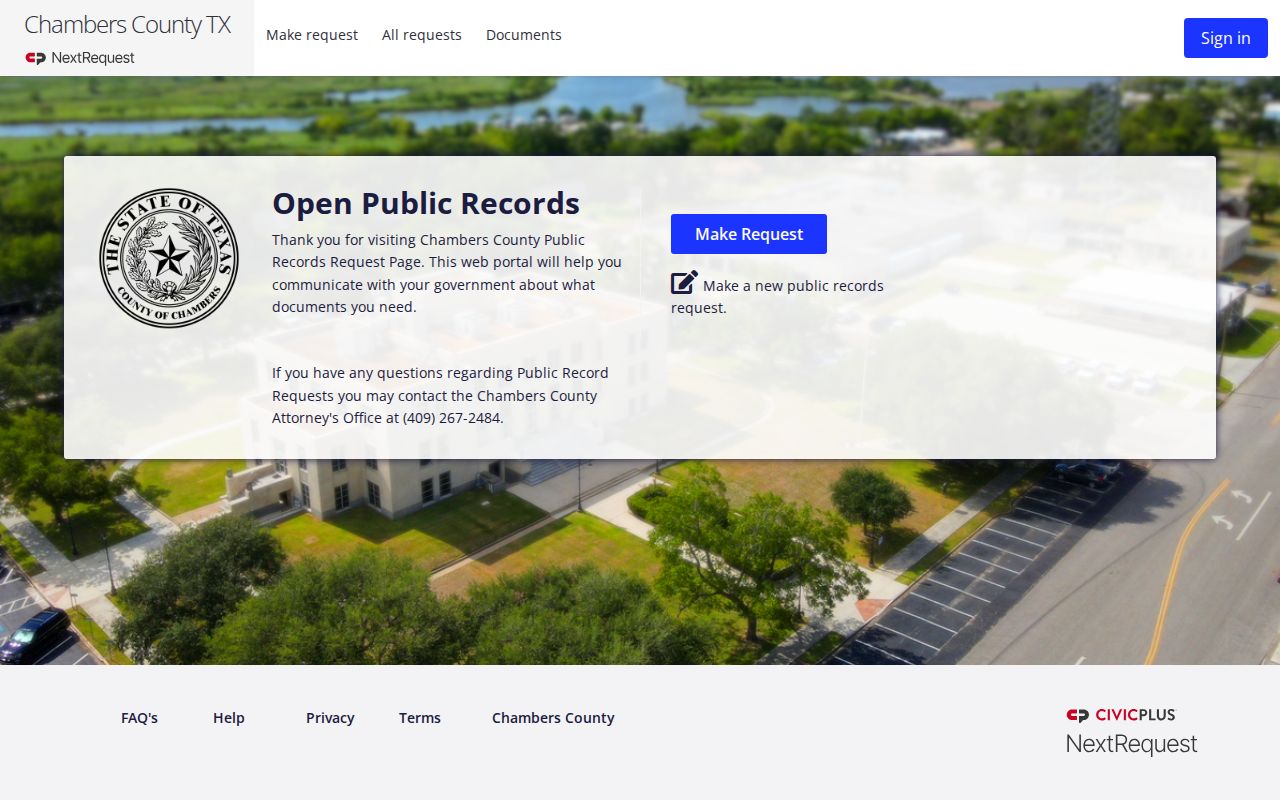
A precise request gives the custodian enough detail to locate one booking photo while avoiding an unnecessarily broad search.
Chambers Mugshots in News Archives
A CCSO press release or local news report may preserve an arrest photograph after a live roster changes. Such an item can locate the original public image and date, but it often describes only the arrest stage. Read the full source. Then search the Chambers County court portal for dismissal, plea, judgment, sentence, or another later disposition.
Secondary sources can contain wrong identities, old allegations, cropped context, or a stale custody label. An image found there should be compared with official identifiers and the creating agency. If the original government source has corrected the identity or access has been restricted by a valid order, the secondary presentation should not be treated as controlling.
Third-party mugshot sites are only a category to recognize, not a recommended channel. No commercial publisher or data broker is linked here. A demand for payment does not establish that the image is correct, current, or lawfully available.
Chambers Expunction and Mugshot Access
Texas expunction and nondisclosure are different remedies. The Chambers County District Clerk explains that an expunction order obliterates the arrest from criminal-history records and associated arrest or charge files, subject to eligibility. Government Code Chapter 411 separately governs nondisclosure. Neither remedy should be promised from a brief case summary.
Effective September 1, 2025, the local expunction page publishes a service list that includes the Sheriff and jail, District and County Clerks, prosecutors, Pretrial Services, justice courts, DPS, the Office of Court Administration, and Mont Belvieu Police. That local detail matters when a municipal arrest created records in more than one repository. The signed order and court instructions control which custodians receive service.
Texas Business & Commerce Code Chapter 109 regulates certain criminal-record publication, correction, and removal practices. It is not a blanket rule making every official booking image private. For a factual error, contact the agency that created the image or record. For expunction or nondisclosure, use the order and the court’s process. Do not pay an unverified removal vendor to correct a government source.
No Chambers Post-Release Photo Promise
CCSO offers a current inmate-search entry and an official mobile app, but the reviewed public descriptions do not promise that a booking photo stays visible after release. This is a meaningful limit, not a gap to fill with a commercial gallery. A targeted NextRequest request for the identified booking image is the most defensible post-release route.
Any image should be labeled with the creating agency and booking date. It should also be paired with the later disposition when that information is available. An arrest photo cannot prove release, sentence completion, parole, or discharge. Those facts come from CCSO, TDCJ, and court records.
The Texas DPS registry can show a photo and reported information for a person with a public registration duty. The official DPS registry is not a general released-inmate photo search.
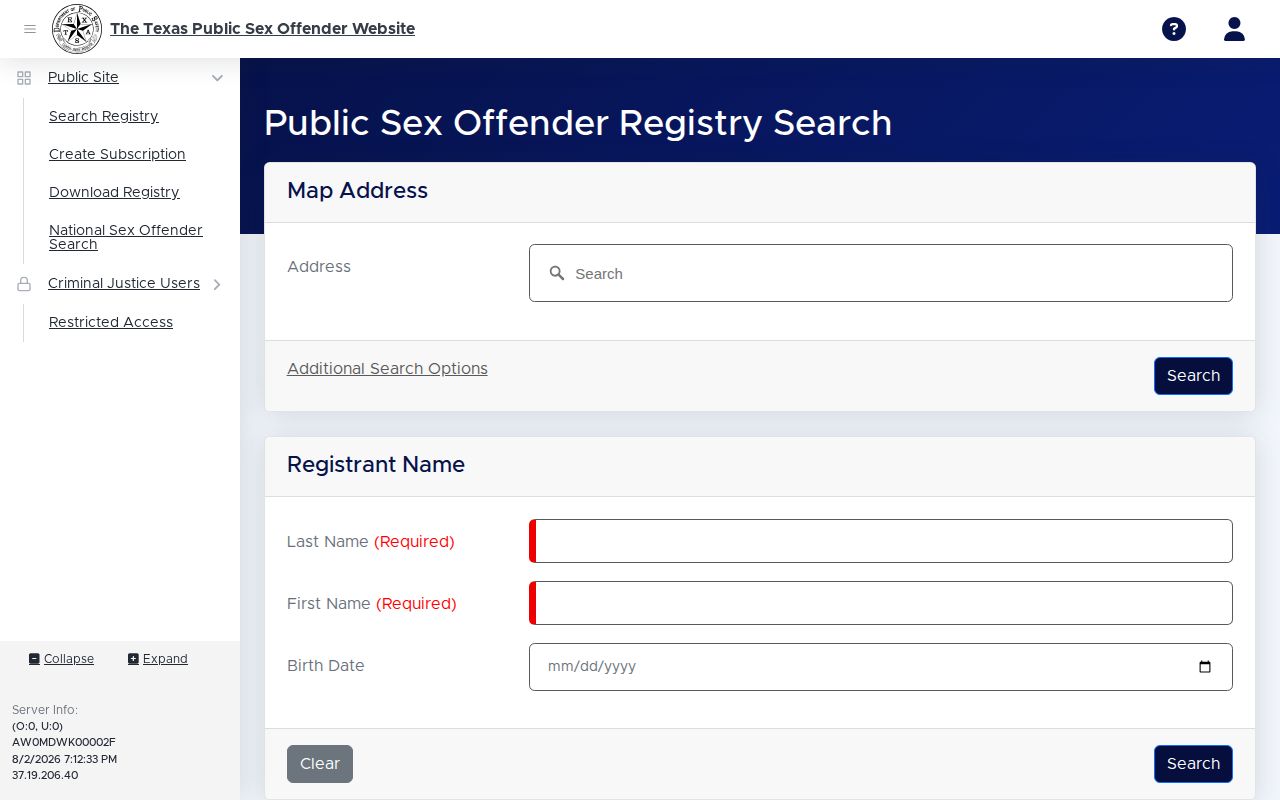
The registry’s limited legal population and identity warnings must remain attached to any result.
Identity checks should use more than a face or name. Compare the booking agency, date, booking or case number, and other lawful identifiers before associating a Chambers County image with a person. Similar names and recycled news captions can cause serious mistakes. If the agency confirms that an image was attached to the wrong record, seek correction from that agency first and preserve its written response. A corrected source should take priority over an older screenshot or secondary copy.
When an official image is released, retain the response context. The agency name, booking date, and request date explain what the photograph represents. Add the later court disposition when available. Do not crop away a source label in a way that makes the photo seem current, and never describe the image as proof that the person committed the charged act.
Public Record Search
Sponsored Results